


The Indian economy is on the cusp of a significant shift, and at the heart of it lies “GST 2.0” – the latest evolution of the Goods and Services Tax. Effective September 22, 2025, these comprehensive reforms are poised to bring a wave of positive changes, directly impacting the wallets of millions of ordinary consumers. Gone are the days of complex tax structures and often prohibitive costs on essential goods and services. This new avatar of GST is designed to simplify, reduce, and ultimately empower your purchasing power. As a financial blog, our goal is to cut through the jargon and explain precisely how these changes will translate into tangible savings for you and your household. Get ready to discover how GST 2.0 is set to make your everyday life more affordable and financially less burdensome.
The Dawn of Simplicity: A Streamlined Tax System
One of the most impactful changes in GST 2.0 is the simplification of the tax slab structure. What was once a multi-tiered, sometimes confusing system, has now been streamlined into a far more digestible two-slab model: 5% and 18%. The 12% and 28% brackets have been entirely eliminated for most goods and services that directly concern the average consumer. While a new 40% rate has been introduced, it’s specifically for luxury and demerit goods, meaning its impact on your essential spending will be minimal. This simplification is more than just a numbers game; it’s a strategic move to reduce the overall tax burden on households, foster economic growth by stimulating demand, and make the pricing of goods and services more transparent. The direct consequence? More money staying in your bank account.
Everyday Essentials Just Got Cheaper: Relief for Your Household Budget Imagine your monthly grocery run resulting in a smaller bill. This isn’t wishful thinking; it’s the reality GST 2.0 aims to deliver
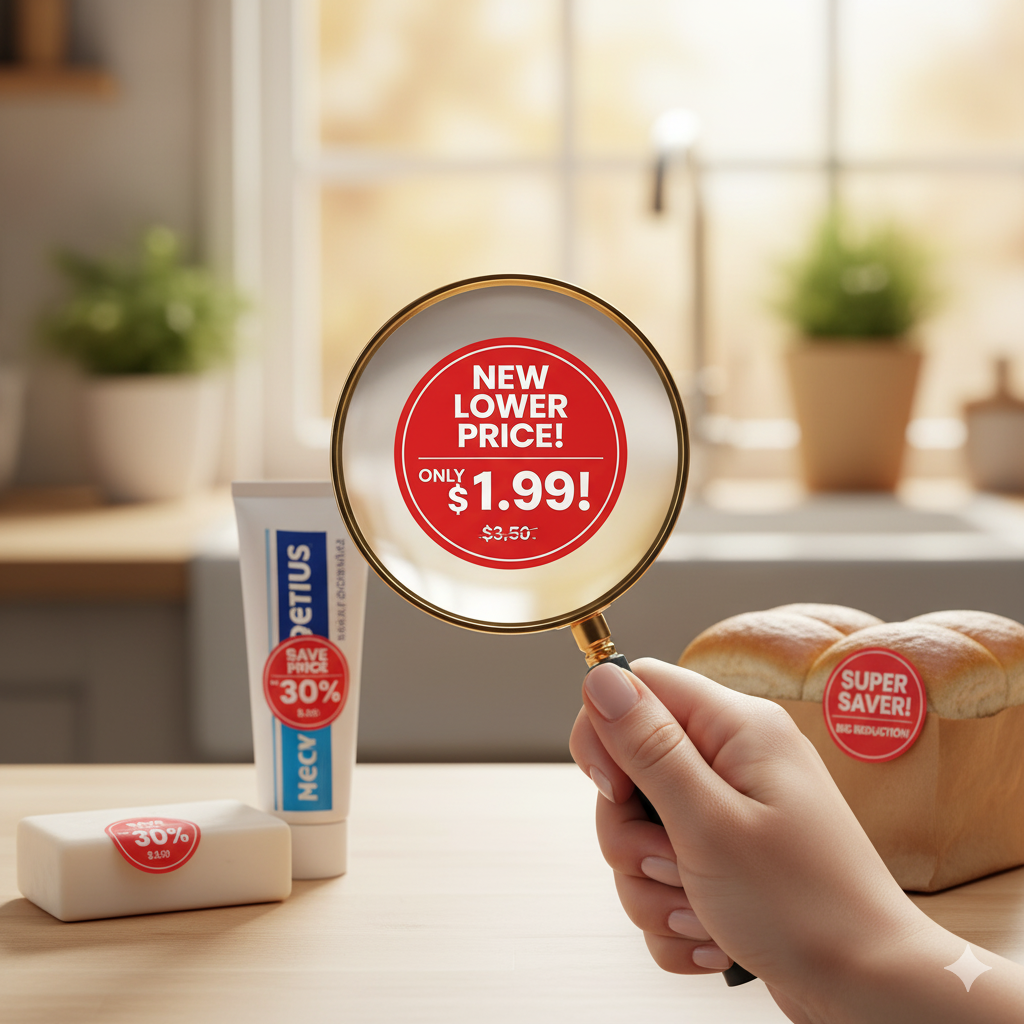
- Daily Necessities: Items you can’t live without, such as bathing soaps, toothpastes, hair oils, and popular Indian breads, will now either attract a significantly lower GST of 5% or, in some cases, be entirely exempt from tax. This isn’t just a marginal saving; for a family, these cumulative reductions on frequently purchased items can add up to substantial annual savings.
- Kitchen Staples: Processed food items that previously fell under higher tax brackets will now comfortably sit in the 5% slab. This means your packaged snacks, ready-to-eat meals, and other convenient food items will become more economical, helping you manage your food budget more effectively without compromising on choice.
These changes are a direct response to consumer demand for more affordable basic goods, reflecting a government commitment to ease the financial pressure on the common man.
Big-Ticket Buys: Dreams of Ownership Become More Attainable
For many, purchasing a new car or upgrading home appliances represents a significant financial milestone. GST 2.0 is making these aspirations more accessible.

- Consumer Durables: The hefty 28% GST rate on a wide array of white goods and electronics, including televisions, air conditioners, refrigerators, and washing machines, has been significantly brought down to 18%. This 10% reduction is substantial and directly translates into lower sticker prices for these essential household items. Whether you’re furnishing a new home or replacing old appliances, the cost barrier has been lowered.
- Automobiles: The excitement doesn’t stop there. Small cars and two-wheelers, often the preferred mode of transport for many families and individuals, will also see their GST reduced from 28% to 18%. This move is expected to directly lower their on-road prices, making personal mobility more affordable and potentially boosting sales in the automotive sector. This is a clear indicator of how these reforms are designed to stimulate consumption in key sectors.
Enhancing Well-being: Reduced Costs for Healthcare and Insurance
In an era where health and financial security are paramount, GST 2.0 offers significant relief on critical services.

- Life-Saving Medicines: The reform brings good news for healthcare expenditures. Many life-saving drugs will now be entirely exempt from GST (0%), while other essential medicines will attract a reduced rate of 5%. This is a compassionate move that acknowledges the financial strain medical treatments can impose and aims to make critical healthcare more accessible.
- Health Insurance Premiums: In a landmark decision, health insurance policies are now exempt from GST. This is a game-changer for financial planning. With premiums becoming more affordable, more individuals and families will be incentivized to secure adequate health coverage, strengthening their financial safety net against unforeseen medical emergencies without the added tax burden.
This focus on healthcare affordability underscores a holistic approach to consumer well-being within the GST framework.
Enjoying Life for Less: More Affordable Services
Beyond goods, GST 2.0 is also making leisure and lifestyle services more budget-friendly.
- Hospitality: Planning a vacation or a business trip? A stay in a hotel with a tariff of up to ₹7,500 per day will now attract a significantly lower GST of 5%, a sharp drop from the previous 18%. This makes travel and hospitality more affordable, encouraging domestic tourism and offering more value for your leisure spending.
- Wellness and Grooming: Services at gyms and salons, integral to personal well-being and grooming, will also become more affordable with the GST rate reduced to 5%. This means maintaining a healthy lifestyle and looking your best will no longer carry the same tax premium.
These reductions in service taxes are designed to enhance the overall quality of life by making a broader range of services more accessible.
Investing in the Future: Boost for Education and Agriculture
The ripple effects of GST 2.0 extend to foundational sectors, promising long-term benefits for consumers.

- Educational Supplies: Investing in your children’s education just got a little easier. Essential school supplies like pencils, sharpeners, and notebooks have been granted GST exemption. This small but significant change eases the burden on parents at the start of every academic year, ensuring that basic educational tools are available without added tax.
- Agricultural Sector: The GST on various types of farm machinery and equipment has been reduced. While this might not directly impact your daily purchases, it’s a critical step towards empowering farmers. Lower input costs for agriculture can lead to more efficient food production and, in the long run, contribute to stable or even lower food prices for consumers. This demonstrates a thoughtful approach to indirect benefits that impact the entire supply chain.
What This Means For You: Maximizing Your Savings
GST 2.0 is more than just a tax reform; it’s an economic stimulus package for the average consumer. The streamlined rates, particularly the shift to 5% and 18% for most goods and services, are designed to put more disposable income back into your hands.

- Be an Informed Consumer: As these new rates come into effect, it’s crucial for you to be an informed consumer. Always check your bills and receipts to ensure that the benefits of the GST reduction are being accurately passed on to you by retailers and service providers. Awareness is your best tool for ensuring you reap the full advantages of these reforms.
- Reassess Your Budget: With lower costs on many items, now is an excellent time to revisit your household budget. The money saved on daily essentials, appliances, and even healthcare can be redirected towards savings, investments, or other financial goals, bolstering your overall financial health.
- Plan Your Purchases Wisely: If you’ve been deferring major purchases like a new appliance or vehicle, these reduced GST rates might present the perfect opportunity to make those investments more economically.
In conclusion, GST 2.0 represents a thoughtful and strategic move towards a more consumer-friendly tax regime. By simplifying the structure, reducing rates on essential goods and services, and fostering affordability in key sectors like healthcare and education, these reforms are set to empower consumers and stimulate economic activity. Embrace these changes, stay informed, and get ready to unlock significant savings that will undoubtedly put more money back where it belongs – in your pocket.


